


Virtual reality in education and training
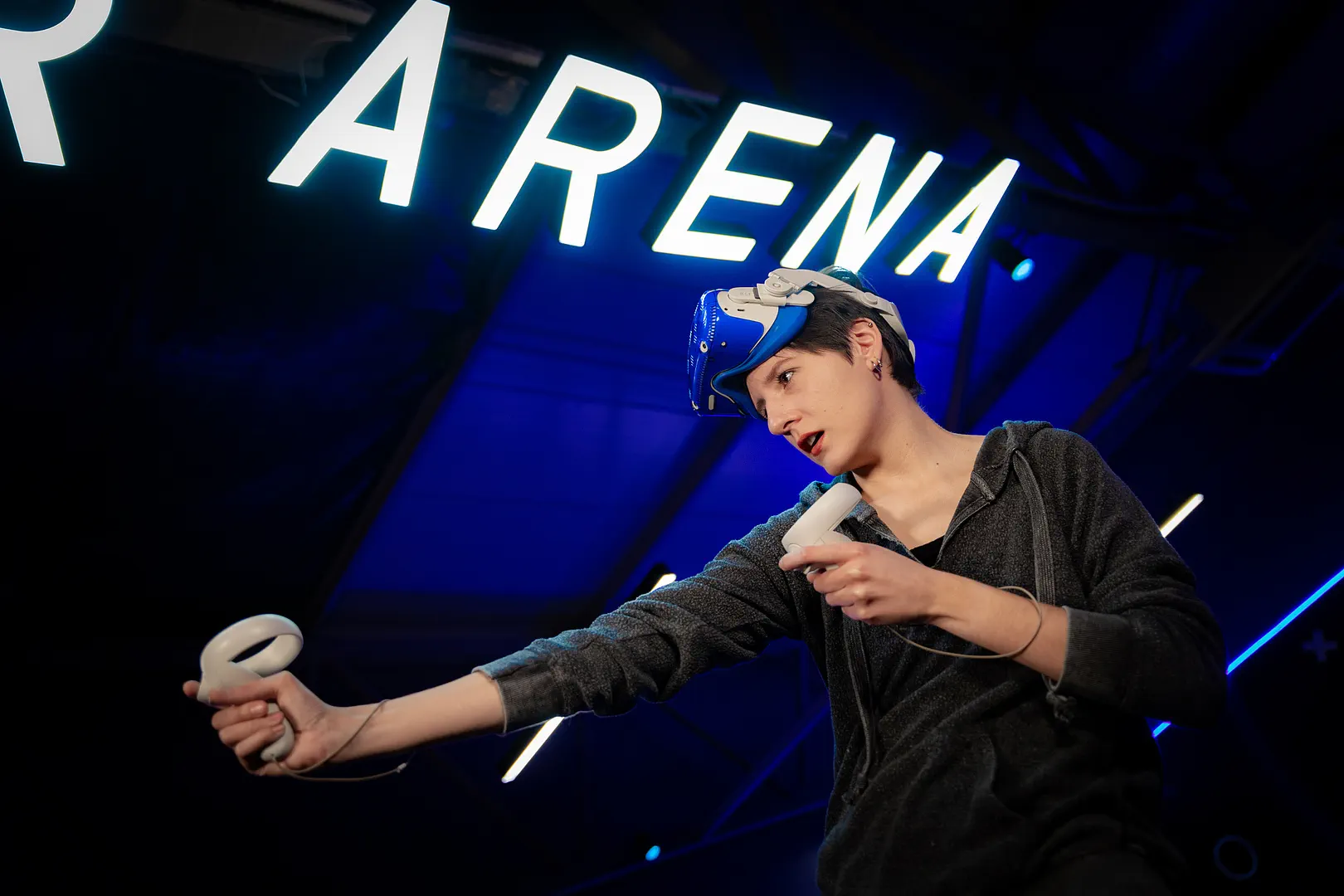
A VR experience can provide a starting point for observation, discussion and group activities. For a school or company, first decide on the objective: discover the technology, explore a subject or organise a cooperative experience. These are different goals and require different content.

Distinguish entertainment, educational activities and professional training
A game can prompt discussion about communication or problem-solving, but that does not automatically make it a course. Technical training requires suitable content, guidance and assessment criteria. VR Parque’s entertainment catalogue should not be understood as an offer of certification or specialised professional training.
Planning a group visit in Florianópolis
Send the age range, number of participants, date, available time and visit objective. Ask which catalogue experiences are available and suitable for your group. Allow time for arrival, control instructions, organising turns and discussion afterwards.
Who plays at the same time?
The park’s current VR Arena format accommodates 2–10 players per session. In VR Zone, each headset serves one player, and multiplayer depends on the title and setup. Groups of up to 30 guests need an organised turn-taking plan; event capacity is not the simultaneous capacity of each activity.
Age, comfort and participation
VR activities start at age 8, with specific recommendations for each game. Tell the team about preferences and access needs before visiting. Arrange breaks and an alternative for anyone who does not want to use the equipment. Do not assume one experience will suit everyone.
What to ask before confirming
Ask for confirmation of the games, turn-taking arrangements, supervision, duration, total price and booking terms. If you need a particular educational application, send its name beforehand: an application being available on the market does not mean it is installed or included in your visit.
A conversation after the game
Allow a few minutes for the group to discuss what they observed: how they shared tasks, what made communication clearer and what they would change in another round. Use their answers to assess whether the format supported your objective, without promising learning outcomes simply because technology was involved.